
The festive season isn’t just known for more spending and celebrating. It’s also a peak time of year for fraud. Amidst the year-end busyness, it’s easy to make small mistakes that could have big repercussions. Things like a fraudulent scheme stealing your bank info or making unauthorized charges to your credit card. The good news is that falling victim to fraud can be avoided by following these 5 tips.
1. Only shop on trustworthy websites.

While popular retailers like Takealot and Superbalist offer reliable online security features, smaller retail websites may vary.
As a general rule of thumb, it’s best to shop on websites that have “https” at the beginning of their URL, which indicates a secure connection for transactions. Be aware of the padlock symbol next to secure URLs, offering another way of validating online shopping security. If there isn’t a padlock symbol next to the URL you’re using, it may not be a secure payment portal.
If you’re uncertain of the reputation of an e-commerce site, be cautious and consider buying that item or gift from an alternative, trusted brand.
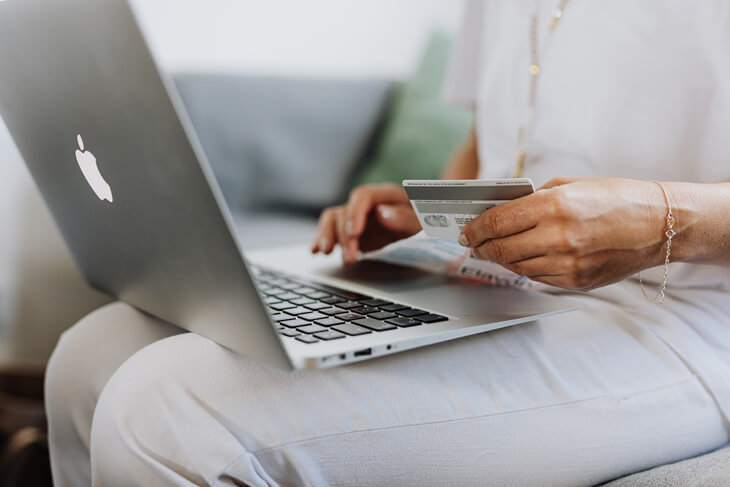
Choose your payment methods carefully: Credit cards provide greater protection when it comes to fraud (and aid you to catch and stop unauthorized transactions before they’re approved by your financial institution). Aim to designate a single card for online purchases and keep it at a lower credit limit. Another way to protect yourself is to use a trusted payment method like PayFast. This way, you aren’t sharing your card number and you have another party to contact, should something go wrong with your purchase.
2. If using public or unsecured WiFi, don’t shop online.
Unfortunately, public Wi-Fi and unsecured wireless networks make it easier for hackers and scammers to access your personal information. Don’t log in to your bank account or make online purchases unless you’re connected to a secure network.
3. If it’s too good to be true, it probably is
Heavily discounted items, limited-time sales and gift card/voucher notifications can seem like a great opportunity to save cash, especially when it’s a trending or luxury product. However, these appealing offers may simply be a scam magnet.
Fraudsters sometimes create fake look-alike websites and promote them on social media. If you click through, you get directed to what looks like an authentic sales page with real product images – but astonishingly low prices. There could even be a believable explanation, such as a holiday sale.
Here, the seller is attempting to sell counterfeit items, reselling stolen goods or using stolen account information to purchase and resell items.
Adding to this, beware of fake delivery notifications: Deliveries have increased immensely since the pandemic. A familiar ploy is to send a fake delivery notice in the hopes that a consumer is waiting for a package to come. The fraudulent message may look like it’s coming from a major shipper, but it’s really a disguise for malware seeking out your personal information. A fake shipping link may redirect to a counterfeit page requesting a credit card number or personal information. Check each delivery notification closely and use the retailer’s confirmed resources to track your packages on your own.
4. Keep your devices up-to-date with software, browser, and app updates.
A simple practice that can go a long way when navigating through the world of cyber-scammers, is to regularly update your software. Fraud prevention technology is continually improving, which means most software updates include security fixes that take care of new vulnerabilities.
5. Check your balances frequently.
Mobile and online banking makes checking on your finances easy. Monitor these accounts often, to ensure that unauthorized charges aren’t being made to your account. You can also opt in to receive text alerts on transactions coming from your bank account. This can speed up your response if you suspect any fraudulent activity.
The holidays are a time to relax and celebrate, but they’re also a time to be careful. The important thing is simply to pay a little more attention when making holiday purchases, to be aware of your surroundings and the platforms where you’ll be providing your banking information. And lastly, use your intuition to determine if something just doesn’t feel right.